
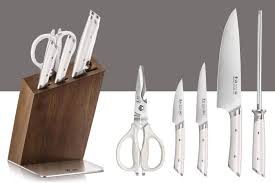
Selecting the right kitchen knife can transform cooking from a chore into a joy. Sharp, balanced, and durable knives make chopping, slicing, and dicing easier, safer, and more precise. Two brands frequently discussed among chefs and home cooks are Cangshan and Henckels. While both deliver high-quality knives, they differ significantly in design, materials, performance, and price. Henckels, with its centuries-old German knife-making tradition, is known for sturdy, reliable knives suitable for everyday use.
Cangshan, a newer brand, focuses on modern design, premium steel options, and ergonomic handling, often appealing to culinary enthusiasts seeking performance and style. Understanding the differences between these two brands — including steel types, blade construction, ergonomics, sharpness, and value — helps cooks choose the right tool for their kitchen. This article provides a comprehensive comparison to guide both beginners and experienced chefs toward a confident choice.
1. Brand Background & Reputation
Henckels: Timeless German Craftsmanship
Henckels has a heritage dating back to 1731, making it one of the oldest and most trusted names in cutlery. The brand emphasizes reliability, durability, and practicality, producing knives suited for both home kitchens and professional chefs. Its classic German design, often with thicker blades and robust handles, is known for comfort and stability. Henckels knives appeal to cooks who value a trusted brand with a long-standing reputation for performance.
Cangshan: Modern Innovation
Founded in 2015, Cangshan is a relatively young brand but has quickly gained recognition for combining Western and Japanese knife-making influences. Cangshan knives often feature innovative designs, ergonomic handles, and premium steels, catering to cooks who prioritize aesthetics, edge performance, and precision. Though newer, Cangshan has earned accolades for blending modern craftsmanship with practical functionality.
2. Blade Materials & Construction
Steel Composition
The steel used in knives directly affects sharpness, durability, corrosion resistance, and ease of sharpening.
-
Henckels knives mostly use German high-carbon stainless steel. This steel is moderately hard, corrosion-resistant, and forgiving in daily use. Typically, Henckels knives have a Rockwell Hardness of 57, offering durability but requiring more frequent sharpening.
-
Cangshan knives utilize a variety of steels, including German, Japanese VG10, and Swedish Sandvik®, some reaching up to 62 Rockwell Hardness. These harder steels maintain sharper edges longer but may require careful handling to avoid chipping.
Forged vs Stamped
-
Forged knives, heated and hammered into shape, provide superior balance, durability, and weight distribution.
-
Stamped knives, cut from steel sheets, are lighter and more affordable but often less durable.
Cangshan focuses on premium forged knives, while Henckels offers both forged and stamped options, making it accessible across budgets.
3. Design & Ergonomics
Henckels: Classic and Functional
Henckels knives often feature traditional German styling, with fuller handles and, on some models, bolsters for added safety. The design prioritizes comfort and practicality, though it may lack modern visual appeal. This classic design ensures stability and familiarity, especially for cooks accustomed to traditional knives.
Cangshan: Contemporary and Ergonomic
Cangshan emphasizes sleek aesthetics, ergonomic handles, and innovative balance points. The knives often incorporate materials such as African blackwood or polished metals, offering a visually striking look alongside superior comfort. The ergonomic design reduces fatigue during prolonged use, making them ideal for precision tasks.
4. Performance: Sharpness & Edge Retention
Sharpness
The cutting edge geometry determines initial sharpness:
-
Henckels knives are usually sharpened to 15° per side, resulting in a strong edge that performs well for everyday chopping and slicing.
-
Cangshan knives typically feature a 16° per side edge, slightly more acute, enabling finer cuts and exceptional precision.
Edge Retention
-
Cangshan’s harder steels allow the edge to remain sharp longer, especially beneficial for frequent cooks.
-
Henckels’ softer steel dulls faster but is easier to sharpen and more forgiving, minimizing the risk of accidental chipping.
5. Handling Comfort & Balance
Comfort during use affects control, speed, and safety:
-
Cangshan knives are designed with ergonomics in mind, offering balanced weight, secure grip, and reduced fatigue during prolonged chopping.
-
Henckels knives provide a traditional feel, often heavier, which some users prefer for robust cutting tasks like chopping meat or vegetables.
Cangshan knives feel lighter and nimble, ideal for precision slicing, while Henckels delivers stability and strength for everyday kitchen work.
6. Price & Value
-
Henckels spans from affordable stamped knives to premium forged sets, making it accessible for various budgets. It offers consistent quality at lower price points, particularly for beginners or casual cooks.
-
Cangshan, positioned as a premium brand, commands higher prices due to superior steel, ergonomic design, and refined aesthetics. The investment pays off for users seeking long-term performance and durability.
In summary, Henckels emphasizes value and accessibility, while Cangshan prioritizes high performance and design excellence.
7. Pros & Cons Overview
Henckels – Pros
-
Long-standing reputation and trustworthiness
-
Reliable performance for everyday tasks
-
Affordable mid-range options
-
Comfortable classic handle design
Henckels – Cons
-
Softer steel dulls faster
-
Some stamped knives may feel thin
-
Limited premium steel options
Cangshan – Pros
-
Premium steel with excellent edge retention
-
Sleek, ergonomic, and modern designs
-
High performance for frequent cooks
-
Long-lasting sharpness
Cangshan – Cons
-
Higher price point
-
Harder steel requires careful handling
-
Performance varies across different series
8. Choosing the Right Knife for You
Your choice depends on cooking style, frequency, and priorities:
-
Choose Henckels if you want classic, dependable knives with good durability, user-friendly handling, and affordability. Great for everyday home cooks.
-
Choose Cangshan if you prefer premium materials, modern design, and long-lasting sharpness. Ideal for frequent cooks, enthusiasts, or those who value aesthetics and precision.
Read More: Microsoft.com: Your Complete Guide to Microsoft’s Digital Hub
Conclusion
Both Cangshan and Henckels produce high-quality knives, but their appeal lies in different priorities. Henckels offers reliable, traditional German knives suitable for everyday kitchen tasks. They are easy to sharpen, forgiving, and provide a familiar, stable feel. Cangshan, on the other hand, is geared toward cooks who prioritize premium steel, ergonomic design, and long-lasting sharpness. While Cangshan knives are more expensive and may require careful maintenance, they reward users with precision, efficiency, and striking aesthetics.
Ultimately, the right choice depends on your cooking habits, budget, and style preference. If you value heritage, practicality, and affordability, Henckels is the trusted option. If you value modern performance, premium craftsmanship, and long-term sharpness, Cangshan is the ideal investment. Understanding these distinctions ensures you select a knife that enhances both your culinary skills and kitchen experience.
FAQs
1. Are Cangshan knives better than Henckels?
It depends on your priorities. Cangshan knives often have harder steel, better edge retention, and modern designs. Henckels knives are traditional, reliable, and easier to maintain.
2. Which brand holds its edge longer?
Cangshan knives with harder steel maintain sharpness longer than Henckels, though Henckels is easier to sharpen when needed.
3. Are Henckels knives good for home use?
Yes. Henckels knives are durable, forgiving, and perfect for everyday cooking tasks.
4. Is it worth paying more for Cangshan knives?
Yes, if you value long-lasting sharpness, premium materials, ergonomic handling, and sleek design.
5. Do professional chefs prefer one brand over the other?
Preferences vary. Some chefs prefer Henckels for consistency and tradition, while others choose Cangshan for edge retention and modern design.