
Life improvement is a journey everyone can take, no matter where they are starting from. Many people believe personal growth requires major changes, but real transformation comes from consistent, small, meaningful steps that shape your habits, mindset, and daily routines. Understanding your purpose, developing healthy habits, learning new skills, and nurturing positive relationships are all proven ways to create a more fulfilling life.
Research in psychology and human behavior shows that people who focus on purposeful actions, mindfulness, and emotional well-being experience higher satisfaction and resilience. Life improvement is not about perfection; it’s about progress, learning, and adapting. This article provides practical, easy-to-follow strategies that anyone can implement. By the end, you’ll have a clear roadmap to take control of your personal development, enhance your mental and physical health, and create a life that is more balanced, meaningful, and joyful.
1. Discover Your Purpose
Knowing your purpose is the foundation of a fulfilled life. It gives direction, motivation, and clarity when making decisions. Your purpose does not have to be a grand mission; even small, meaningful actions in your daily life provide satisfaction and a sense of accomplishment. Reflect on what excites you, what feels meaningful, and what aligns with your values. When your actions match your purpose, life becomes more intentional and fulfilling.
Tips:
-
Identify activities that bring you joy and meaning.
-
Ask yourself: “If I had no restrictions, how would I spend my time?”
-
Write down three meaningful goals or activities to pursue weekly.
2. Set Clear and Achievable Goals
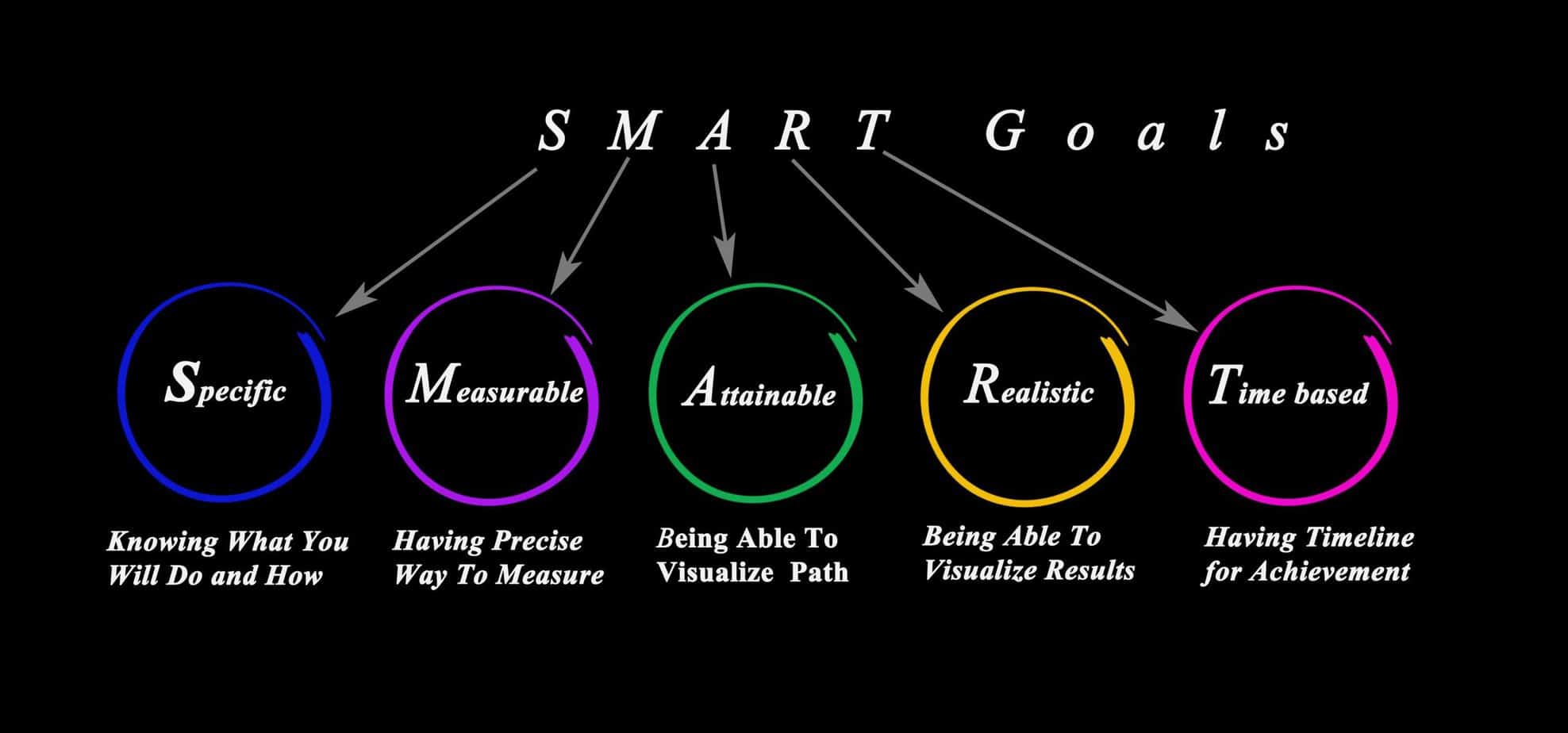
Goals give structure to life improvement. Specific and measurable goals make progress visible and manageable. Instead of vague intentions like “get healthy,” break them into concrete steps, such as “walk 30 minutes daily” or “cook three healthy meals per week.” This approach boosts motivation and allows for consistent progress.
Tips:
-
Use the SMART approach: Specific, Measurable, Achievable, Relevant, Time-bound.
-
Break large goals into smaller, manageable tasks.
-
Track progress in a journal or planner.
3. Commit to Lifelong Learning
Continuous learning keeps your mind active, opens new opportunities, and fosters personal growth. Learning can include reading, taking courses, exploring hobbies, or practicing new skills. A commitment to growth strengthens confidence and adaptability, preparing you to navigate life’s challenges effectively.
Tips:
-
Read at least 20 minutes per day.
-
Learn something new weekly, such as a skill, hobby, or concept.
-
Attend workshops or online classes to expand knowledge.
4. Cultivate Healthy Habits
Physical health directly impacts mental and emotional well-being. Healthy routines in exercise, nutrition, sleep, and stress management create a strong foundation for growth. Consistent small actions in these areas lead to long-term benefits in energy, focus, and resilience.
Tips:
-
Exercise for at least 30 minutes most days.
-
Maintain a consistent sleep schedule.
-
Eat balanced meals with plenty of fruits, vegetables, and proteins.
-
Practice stress-relief techniques like deep breathing or meditation.
5. Practice Mindfulness and Emotional Awareness
Being present and aware helps manage stress, improve focus, and regulate emotions. Mindfulness practices can include meditation, breathing exercises, or simply paying attention to daily experiences. Emotional awareness allows you to understand your reactions and respond rather than react impulsively.
Tips:
-
Spend 5–10 minutes daily in meditation or focused breathing.
-
Observe your thoughts without judgment.
-
Reflect on emotional patterns to understand triggers.
6. Build Positive Relationships
Strong, supportive relationships enhance happiness, resilience, and overall well-being. Social connections provide encouragement, support, and shared experiences that enrich life. Actively nurturing relationships improves both your life and the lives of those around you.
Tips:
-
Schedule regular time with friends and family.
-
Practice active listening and empathy.
-
Join communities or groups with shared interests to build connections.
7. Develop a Growth Mindset
A growth mindset helps you embrace challenges as opportunities to learn. Believing that skills and abilities can improve with effort encourages persistence, resilience, and creativity. People with a growth mindset are more likely to overcome obstacles and reach their potential.
Tips:
-
Replace “I can’t do this” with “I can learn to do this.”
-
Celebrate effort and progress, not just outcomes.
-
Reflect on mistakes as lessons rather than failures.
8. Establish Positive Daily Routines
Daily routines create stability and make achieving goals more manageable. Simple practices like morning rituals, planning your day, or consistent work-rest schedules enhance productivity and reduce stress.
Tips:
-
Set a morning routine that includes exercise, reflection, or reading.
-
Plan your day the night before.
-
Maintain consistent work and rest periods to optimize energy.
9. Use Journaling and Self-Reflection
Journaling helps clarify thoughts, track progress, and enhance self-awareness. It allows you to process emotions, identify patterns, and focus on growth. Even a few minutes of daily writing can improve mental clarity and motivation.
Tips:
-
Write down three things you are grateful for each day.
-
Reflect weekly on lessons learned and goals achieved.
-
Use prompts such as “What made me happy today?” or “What challenge did I overcome?”
10. Practice Self-Compassion
Being kind to yourself supports emotional resilience and reduces anxiety. Self-compassion encourages learning from mistakes without harsh criticism. Accepting that imperfection is part of growth allows you to continue improving without unnecessary stress.
Tips:
-
Speak to yourself as you would to a friend.
-
Acknowledge mistakes without judgment.
-
Remind yourself that setbacks are natural and part of proRead More:
Read More: Understanding G15Tool Partners – Insights and Benefits
Conclusion
Personal growth and life improvement are about consistent, intentional actions rather than dramatic, overnight changes. By discovering your purpose, setting achievable goals, cultivating healthy habits, nurturing relationships, and practicing mindfulness and self-compassion, you create a solid foundation for a fulfilling life.
Life improvement is a journey that unfolds over time, where small daily efforts accumulate into meaningful progress. Each step you take — whether learning a new skill, practicing gratitude, or connecting with others — moves you closer to a happier, healthier, and more resilient version of yourself. Real transformation comes from commitment, reflection, and adapting to challenges along the way. Remember, the journey is just as important as the destination. Start with one small change today, and gradually build momentum. Your future self will thank you for the actions you take now, creating a life full of purpose, balance, and joy.
FAQs
Q1. How do I start improving my life if I feel stuck?
Begin with small, achievable goals, mindfulness practices, and identifying what matters most to you. Focus on progress, not perfection.
Q2. What daily habits improve happiness and well-being?
Exercise, good sleep, mindfulness, gratitude journaling, learning, and nurturing relationships all boost mental and physical well-being.
Q3. Why is having a purpose important for personal growth?
Purpose gives direction, motivation, and meaning, helping you prioritize your actions and stay resilient in challenges.
Q4. How can I stay motivated when progress feels slow?
Celebrate small wins, focus on effort instead of results, and maintain routines that support your goals.
Q5. Can self-compassion really make a difference in life improvement?
Yes. Being kind to yourself reduces stress, enhances resilience, and supports sustainable growth over time.